
Italian Christening Traditions: What Families Eat and How They Celebrate
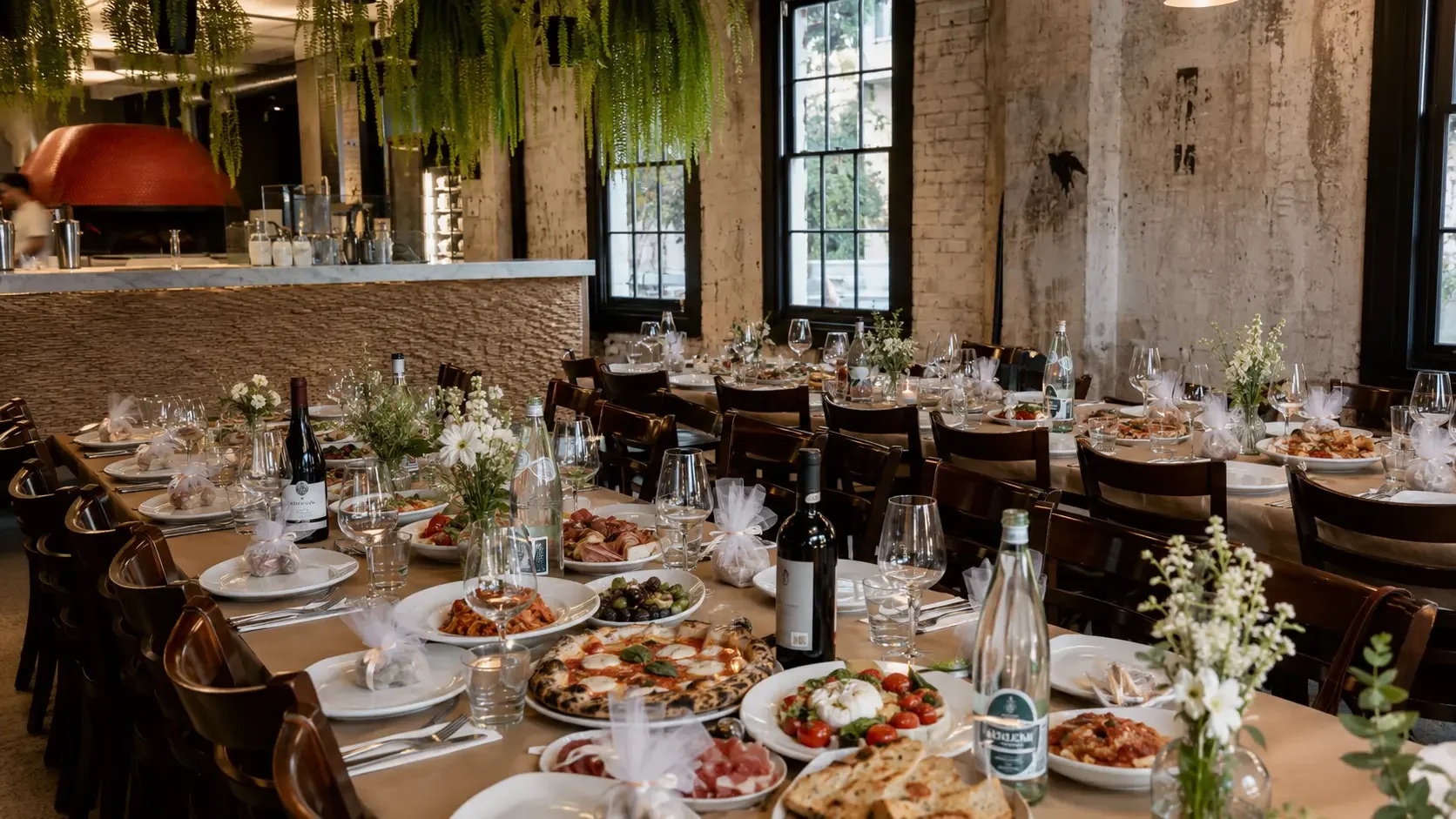
Italian christening celebration table with sugared almond confetti and family feast dishes at Da Mario Rosebery Sydney
Few days in an Italian family glow quite like a baptism. Long after the holy water has dried and the candle is lit, the day lives on in something far more lasting: the table. Italian christening traditions are, at their warm and generous heart, a feast of welcome, a way of folding a new child into a circle of family, faith, and food that stretches back through generations. The ceremony may be brief, but the celebration that follows is anything but. It is where heritage is tasted, not just spoken.
For Italian-heritage families across the world, a christening has always meant more than a name and a blessing. It is the first great gathering of a child's life, and the food on that table carries meaning in every bite. Understanding these customs is to understand something essential about how Italians celebrate life itself.
More Than a Ceremony: The Heart of an Italian Baptism
In most Italian families, a baptism is taken seriously in the deepest sense. It is the moment a child is received not only into the Church but into the wider embrace of relatives, friends, and chosen guardians. The day is built around family, and the meal that follows is its emotional centre.
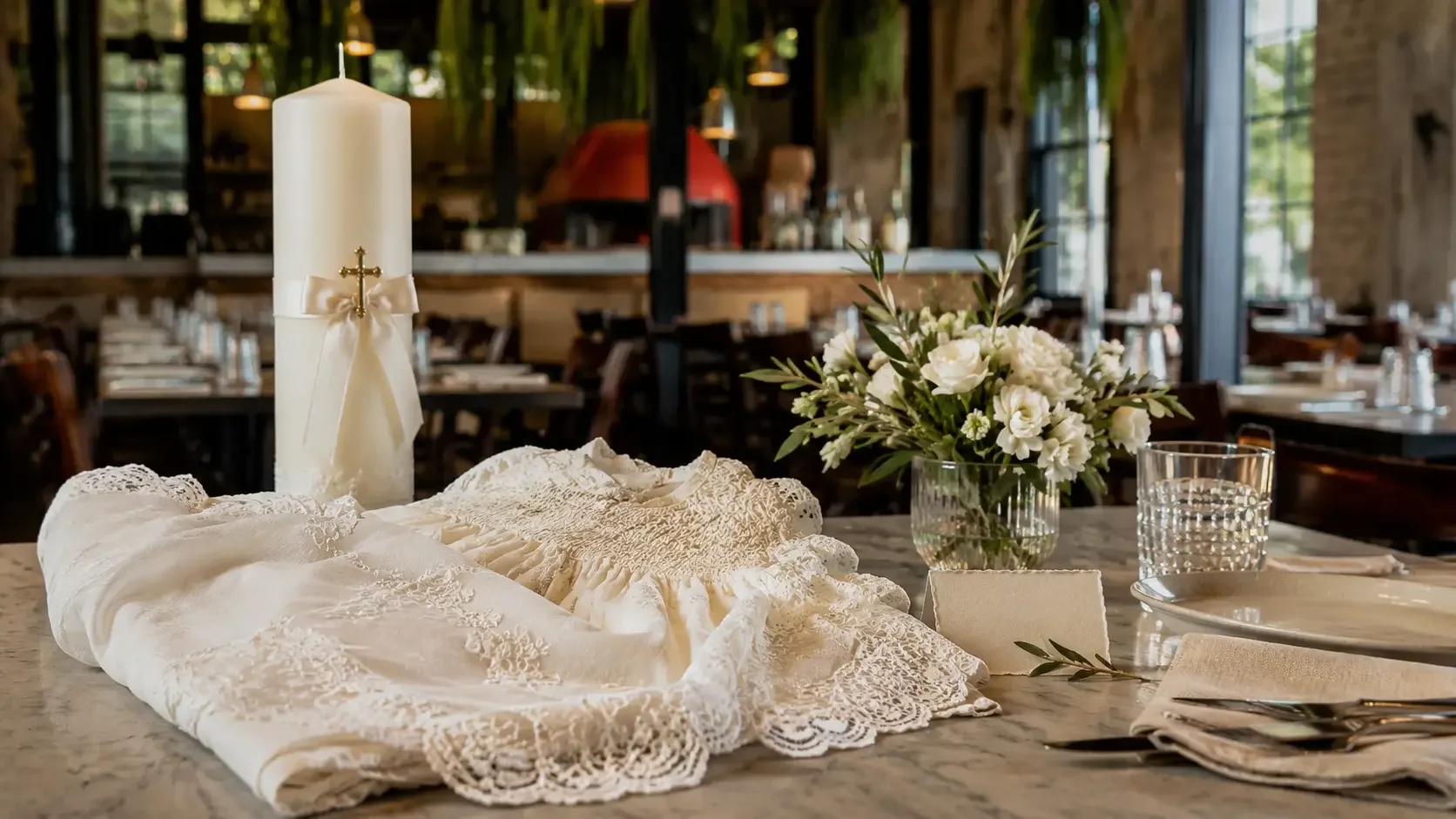
Traditional white Italian christening gown and baptism candle symbolising purity and new beginnings
Central to the occasion are the godparents, the padrino and madrina. In Italian tradition their role runs far deeper than in many other cultures. They are spiritual guides for life, and historically they took on real responsibilities, often providing the christening gown and the small accessories the child would wear. In return, the parents offer the godparents a gift as a heartfelt token of trust and gratitude.
The baby is traditionally dressed in a long white gown, frequently a treasured family heirloom passed quietly from one generation to the next. White speaks of purity and new beginnings, and a ribbon, pink for a girl or blue for a boy, often completes the look.
Then comes the food. In older Italian custom, the celebratory meal was always home-cooked, prepared by the family's own hands. Some families even held it to be bad luck to buy the food for such an occasion, believing that love and labour in the kitchen were part of the blessing itself. The home became the setting precisely because it symbolised safety, warmth, and protection for the newest member of the family.
The Confetti Ritual: Five Sugared Almonds and What They Promise
No exploration of Italian christening customs is complete without confetti. To Italians, confetti are not the tiny paper scraps the English word suggests, those are coriandoli, but exquisite sugar-coated almonds, the very same sweets many people know as Jordan almonds yet which are unmistakably an Italian creation.
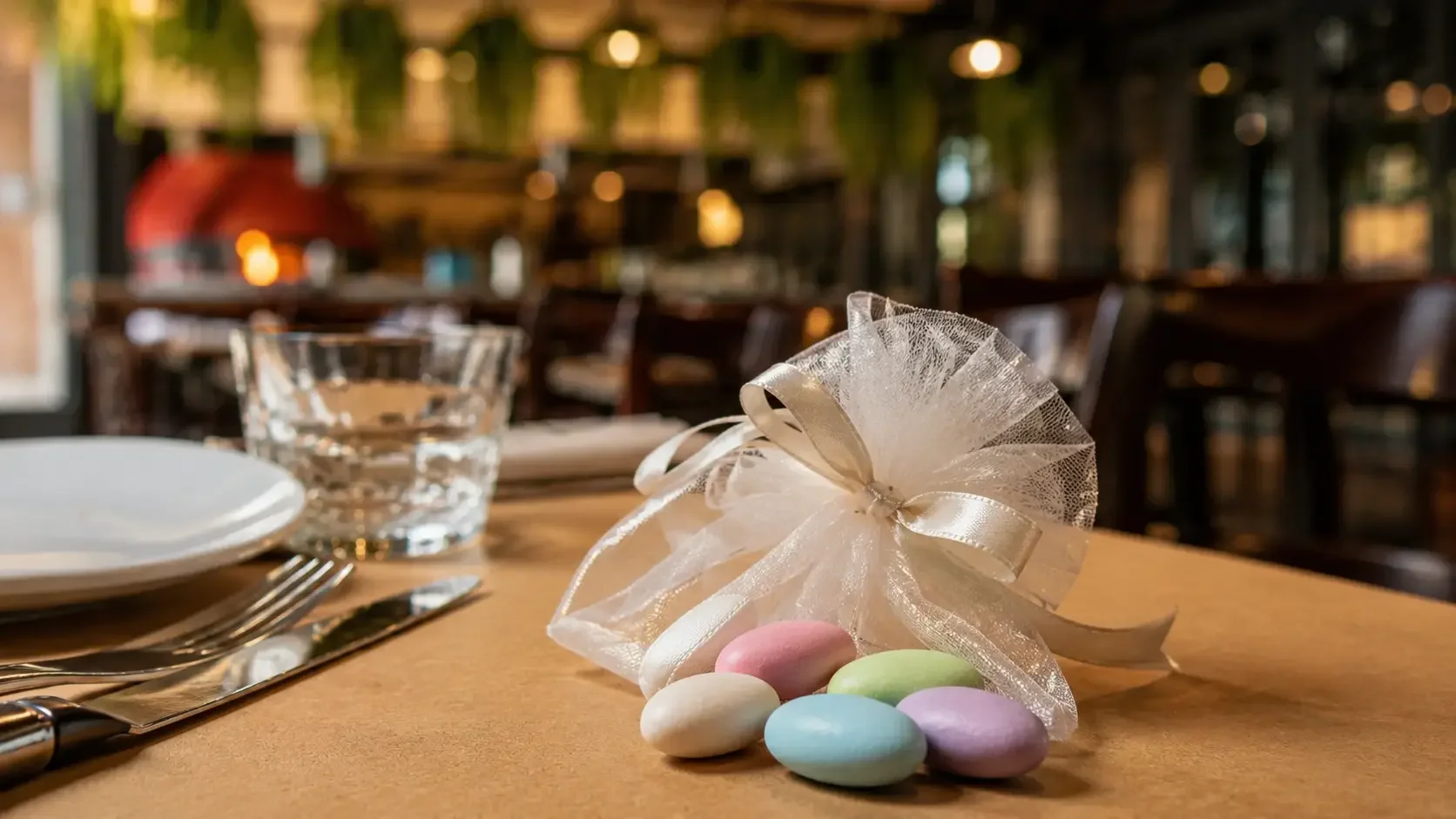
Five pink and blue Italian confetti sugared almonds in a tulle bomboniera favour for a christening
What makes confetti so meaningful at a baptism is what they represent. The bitter almond beneath the sweet sugar shell is a quiet reminder that life holds both joy and hardship, and that the wish for this child is for the sweet to outweigh the bitter.
At a baptism, guests traditionally receive five almonds, always an odd number. Odd numbers are considered fortunate because they cannot be divided evenly, a symbol that the family should remain whole and undivided. Each of the five carries a wish:
Health for a long and vigorous life
Wealth and prosperity for the years ahead
Happiness in the child's heart and home
Fertility and the continuation of the family line
Longevity, that the child may live to a great old age
For a baptism the almonds are tinted to the occasion, soft pink for a baby girl and gentle blue for a baby boy. They are tucked into a bomboniera, a small keepsake favour of tulle, satin, or a fine little box, tied with ribbon and handed to each guest as a memento to carry home. You can read more about the meaning behind the bomboniera on the cultural reference at Wikipedia (https://en.wikipedia.org/wiki/Bomboniere).
The most celebrated confetti in all of Italy come from Sulmona, a town in the mountainous region of Abruzzo, where the historic Pelino family has been crafting these confections since the eighteenth century. For many Italian families, true confetti can only come from there.
What is confetti at an Italian baptism? Confetti are sugar-coated almonds given to guests as a symbol of good fortune. At a christening, five almonds are presented in pink or blue, each representing a wish for health, wealth, happiness, fertility, and a long life for the child.
What Italian Families Traditionally Eat at a Christening
If the confetti are the symbol of the day, the meal is its soul. An Italian christening feast unfolds the way Italians have always celebrated, in generous courses that invite everyone to slow down, linger, and stay. Here is how that table is traditionally built.
Antipasti to Begin
The feast opens with antipasti, a beautiful spread designed for sharing and conversation. Think platters of cured meats such as prosciutto and salami, marinated vegetables, olives, artichokes, roasted peppers, and aged cheeses like Parmigiano-Reggiano and pecorino. Light seafood antipasti often appear too, setting an abundant, welcoming tone for the gathering.
Italian antipasti sharing platter with prosciutto, olives and aged cheese at Da Mario Rosebery Sydney
Primi: The First Course
Next come the primi, the first courses, and for many Italian families this is the true star of the celebration. Fresh pasta takes centre stage: layered lasagne rich with ragù and béchamel, delicate stuffed pasta, baked dishes that emerge bubbling and golden. A primo at a baptism is rarely modest. It is a course made to impress, and to be remembered.
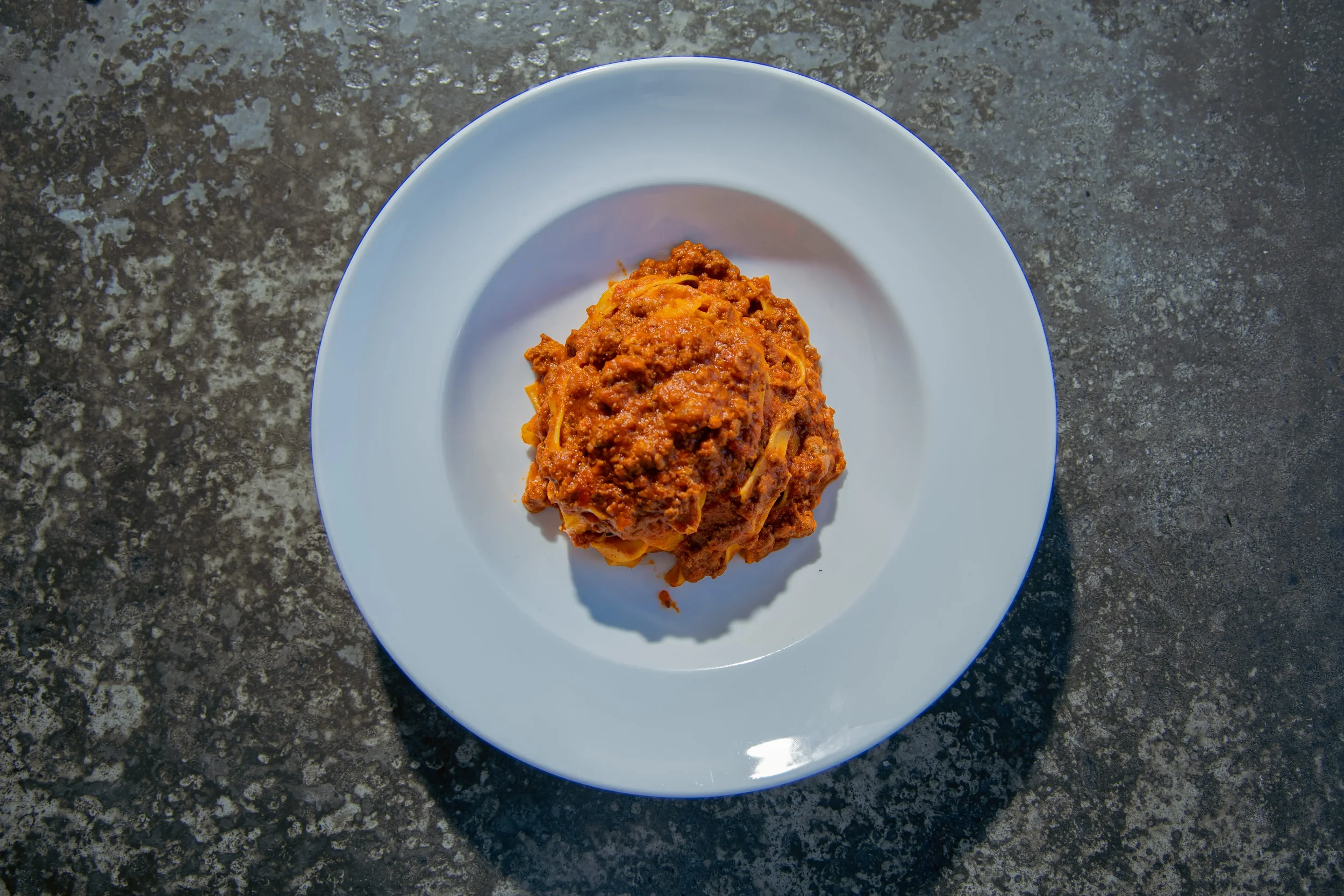
Baked lasagne with ragu and bechamel served as a primo pasta course at Da Mario Rosebery
Secondi: The Heartier Fare
The secondi, or main courses, follow with roasted meats and slow-cooked dishes that speak of patience and care. Tender roast lamb, porchetta seasoned with herbs, veal, or roast chicken with rosemary and potatoes are classic choices, balanced by simple contorni such as sautéed greens or a crisp salad.
Dolci: A Sweet Finish
Then arrive the dolci, the sweets, where Italian christening traditions truly shine. Tiramisù, lady-fingers, delicate pastries, and home-baked cakes crown the meal, often accompanied by a celebratory glass raised in the child's honour. The sweetness is no accident; it mirrors the very wish carried by the confetti.
A Celebration That Changes by Region
Italy is not one cuisine but many, and the christening table reflects whichever corner of the country a family calls home. This regional diversity is part of what makes Italian baptism customs so rich, and you can explore Italy's deep regional food heritage through the official tourism portal at Italia (https://www.italia.it).
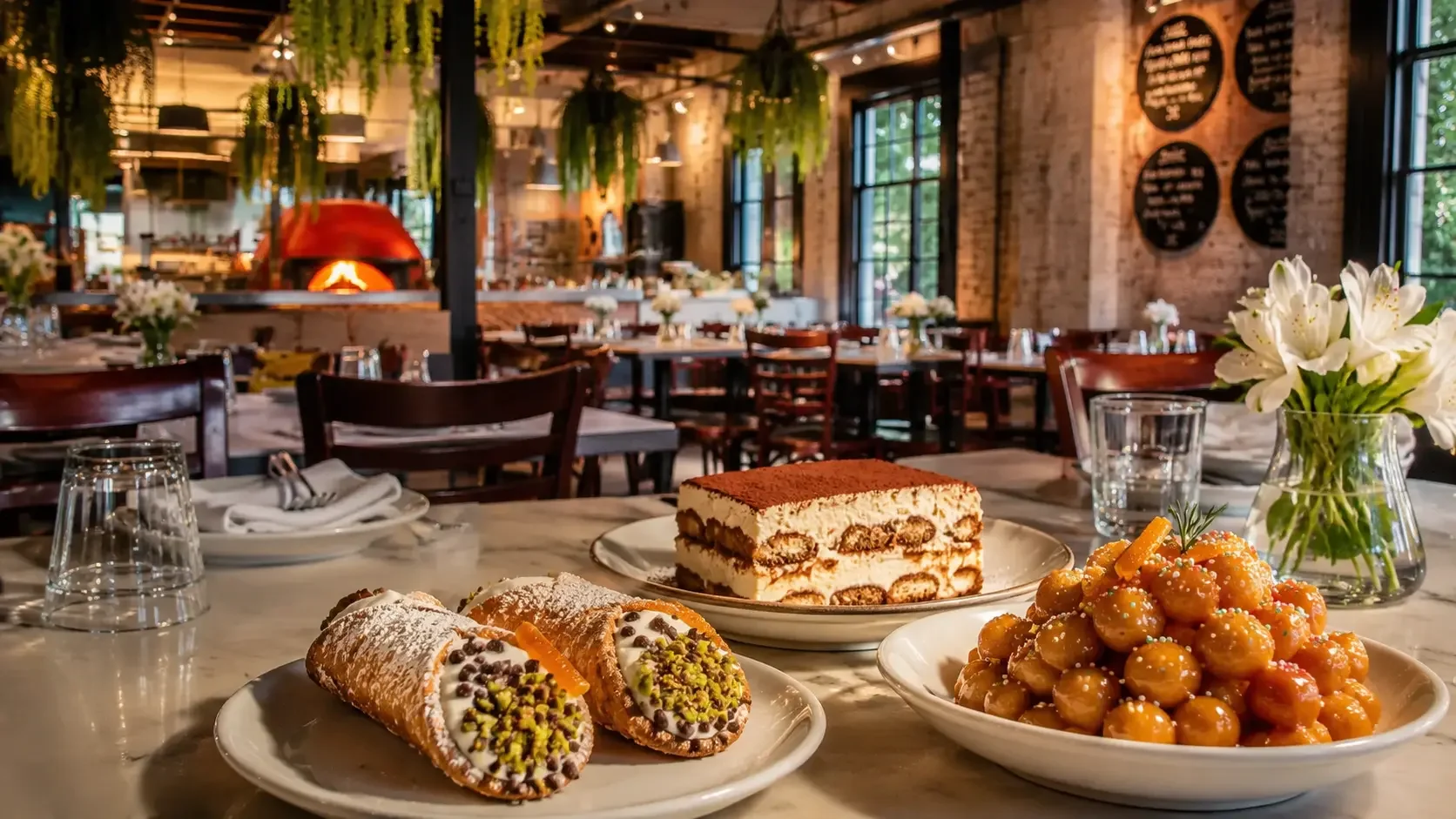
Italian dolci including Sicilian cannoli and tiramisu to finish a christening celebration
In the north of Italy, the feast leans toward stuffed pastas and buttery richness. Lasagne alla Bolognese from Emilia-Romagna, tortellini served in a fragrant broth, and the golden saffron risotto alla Milanese of Lombardy are festive favourites that anchor a northern celebration.
In central Italy, roasts take pride of place. Herb-crusted porchetta and roast lamb appear on the table, hearty and aromatic, often alongside rustic breads and robust regional wines that have graced family gatherings for centuries.
In the south and in Sicily, the celebration turns toward the sea and toward the sweet. Seafood dishes, lighter pastas, and an irresistible parade of desserts define the southern table, from Sicilian cannoli to struffoli, the honey-glazed fried dough balls of Campania. Here the dolci often outshine everything else, a fitting flourish for a day of joy.
Wherever the family hails from, the principle remains the same: abundance, generosity, and food made with love to mark a new life beginning.
Bringing These Traditions to the Table in Sydney
For Italian-heritage families and food lovers in Sydney, these customs are not distant history. They are living tradition, and they deserve to be honoured with cooking that respects their roots. At Da Mario (https://damario.com.au/) in Rosebery, this is exactly the spirit that guides the kitchen.
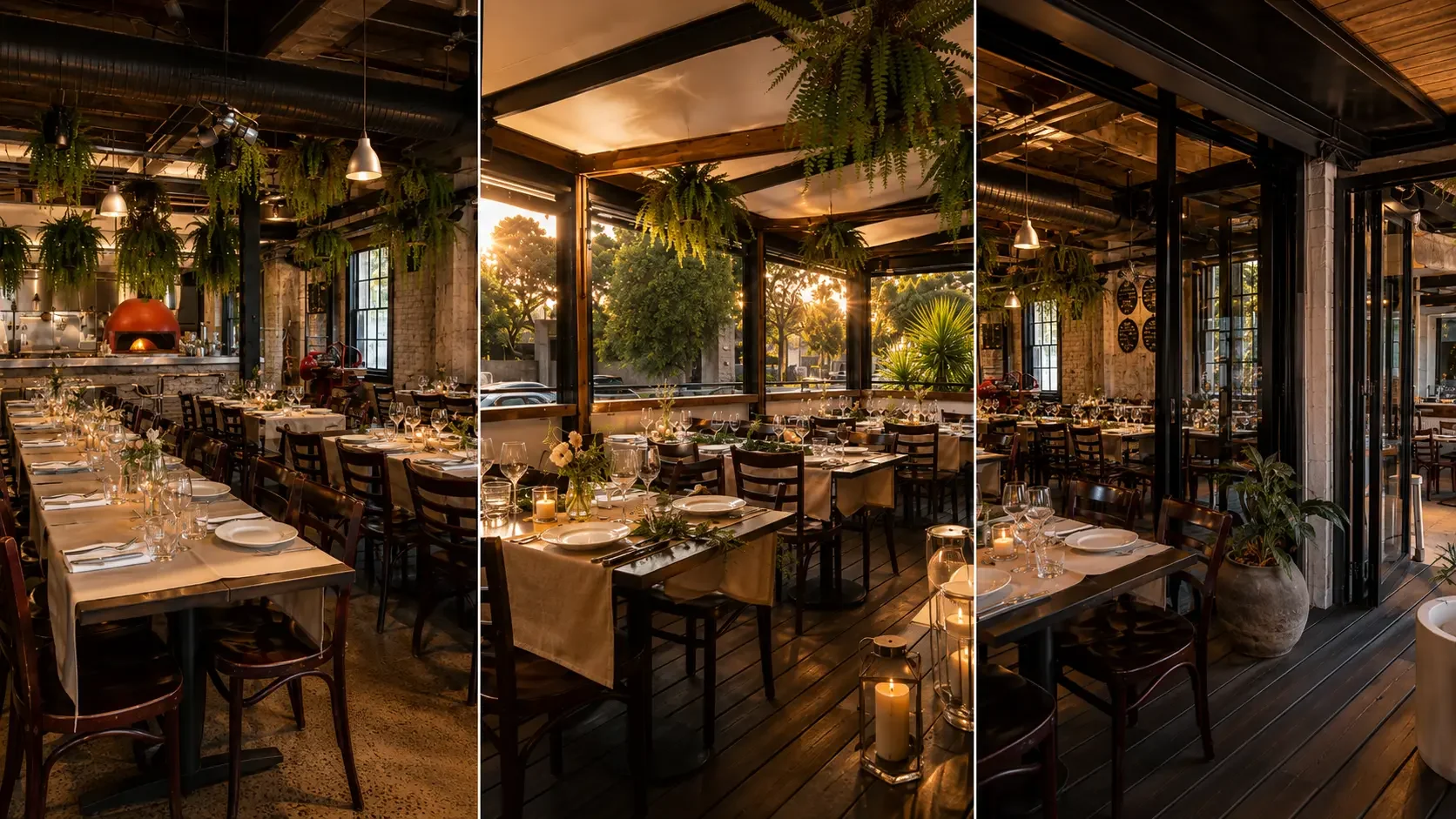
Da Mario Italian restaurant dining room in Rosebery Sydney set for a family celebration
Da Mario is built on genuine Italian craftsmanship, the kind of authenticity that earns recognition rather than claims it. As a proud member of the Associazione Verace Pizza Napoletana, Da Mario carries a credential that ties its kitchen directly to the traditions of Naples, a rare mark of true Italian heritage in Australia. Every dish is approached with the same care a nonna brings to a family feast.
For families across Sydney's Inner West and beyond who want to celebrate a christening, a baptism, or any milestone with food that carries real meaning, Da Mario offers the flavours of authentic Italy made with heart. It is where heritage is not just remembered but tasted.
Frequently Asked Questions
1. What food is traditionally served at an Italian christening?
A traditional Italian christening feast is served in courses: antipasti to start, a pasta primo, roasted meats as the secondo, and sweets such as tiramisù to finish. The food is generous, shared, and historically home-cooked with love.
2. What do the five sugared almonds at an Italian baptism mean?
The five confetti almonds each represent a wish for the child: health, wealth, happiness, fertility, and longevity. They are given in an odd number to symbolise a family that stays whole and undivided.
3. Why are confetti pink or blue at a christening?
The colour reflects the child being celebrated—pink for a baby girl and blue for a baby boy. The white almonds seen at weddings are reserved for that occasion.
4. What is a bomboniera?
A bomboniera is a small keepsake favour, often a tulle pouch or decorative box, holding the sugared almonds. Guests take it home as a lasting memento of the baptism.
5. Who are the godparents in Italian christening traditions?
The padrino and madrina are the child's chosen spiritual guardians. In Italian tradition they play a deeply involved role, historically providing the christening gown and remaining important figures throughout the child's life.
6. How do Italian christening foods differ by region?
Northern celebrations favour stuffed pastas and lasagne, central Italy leans toward roasts like porchetta and lamb, while southern Italy and Sicily highlight seafood and an abundance of sweets such as cannoli and struffoli.
7. Where can I experience authentic Italian celebration cuisine in Sydney?
Da Mario in Rosebery serves authentic Italian cuisine rooted in traditional courses and genuine craftsmanship, making it a heartfelt choice for celebrating Italian heritage in Sydney.
Celebrate Your Family's Heritage with Da Mario
Every Italian christening tells a story of family, faith, and food shared with love. If you would like to bring the authentic flavours of Italy to your own celebration in Sydney, get in touch with the team at Da Mario and let tradition take its place at your table.
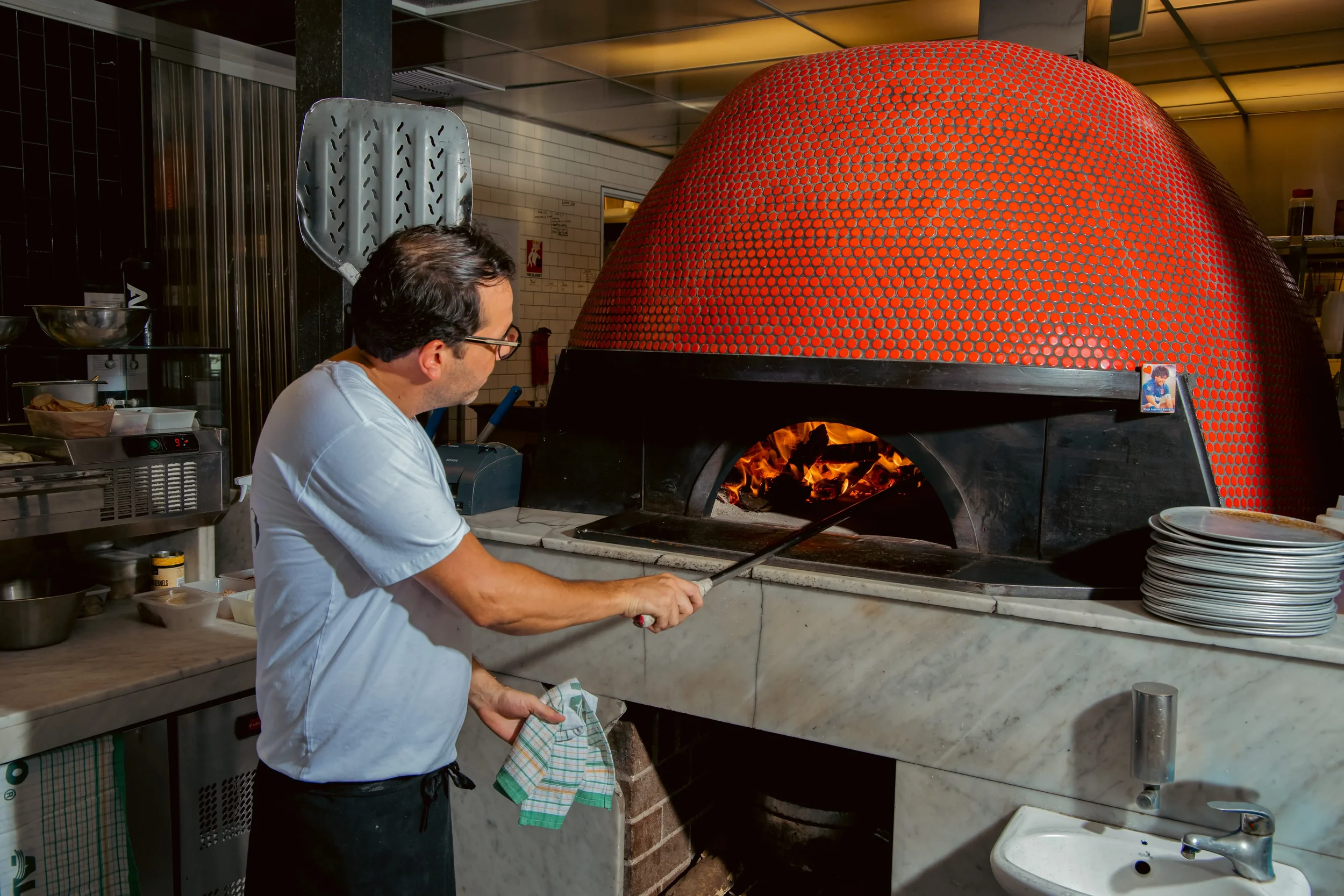
Wood-fired oven at Da Mario, member 153 of the Associazione Verace Pizza Napoletana and first in Australia, Rosebery Sydney
